
Understanding Sepiwhite MSH: A Comprehensive Guide to a Promising Cosmetic Ingredient
What is SepiWhite MSH?Sepiwhite MSH, also known as N-Acetyl-Tyrosine, is a synthetic peptide derived from the amino acid tyrosine. It is primarily used in cosmetic formulations for its skin-brightening properties. Unlike traditional skin lightening agents, Sepiwhite MSH works by inhibiting the enzyme tyrosinase, which is crucial in the melanin production process. This makes it a popular choice for those looking to reduce hyperpigmentation, dark spots, and uneven skin tone. | 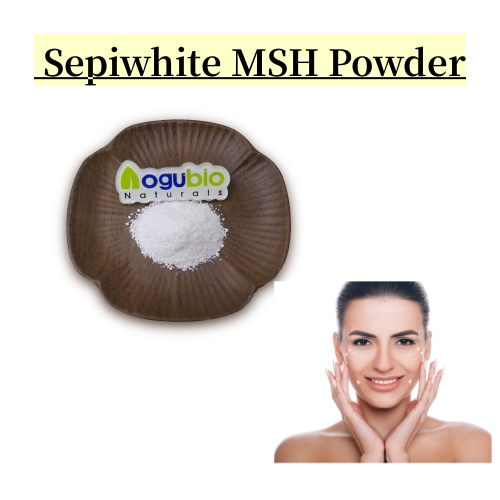 |
How Does Sepiwhite MSH Work?
The mechanism of action of Sepiwhite MSH involves its ability to mimic the action of alpha-melanocyte-stimulating hormone (α-MSH), which regulates melanin synthesis. By binding to the melanocortin receptors in melanocytes, Sepiwhite MSH effectively reduces melanin production without the side effects commonly associated with other skin lightening agents, such as hydroquinone or corticosteroids.
Common Questions About Sepiwhite MSH
- 1. Is Sepiwhite MSH Safe for All Skin Types?
Research indicates that Sepiwhite MSHis generally safe for all skin types, including Sensitive Skin. A study published in theInternational Journal of Cosmetic Science demonstrated that products containing Sepiwhite MSH did not cause irritation or adverse reactions in participants, making it a suitable option for a wide range of consumers (Kumar et al., 2020).
- 2. How Long Does It Take to See Results?
While individual results may vary, many users report noticeable improvements in skin tone and reduction of dark spots within 4 to 8 weeks of consistent use. A clinical study highlighted that participants experienced a significant decrease in pigmentation after 56 days of using a formulation containing Sepiwhite MSH (Choi et al., 2021).
- 3. Can Sepiwhite MSH Be Used with Other Ingredients?
Yes, Sepiwhite MSH can be effectively combined with other active ingredients such as vitamin C, niacinamide, and hyaluronic acid. This synergistic approach can enhance overall skin brightness and hydration. However, it is advisable to conduct a patch test when combining multiple actives to avoid potential irritation.
Market Trends and Development Directions
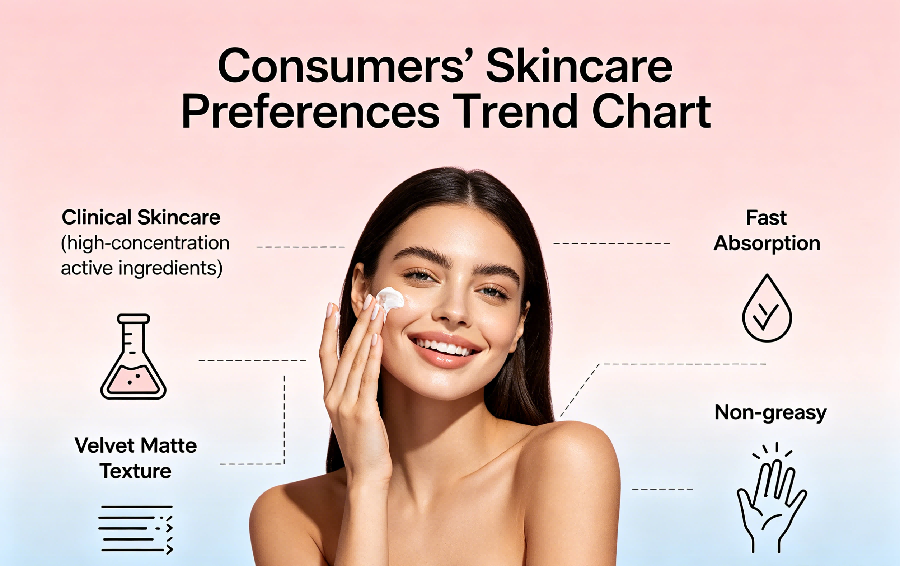
The global cosmetic market is witnessing a significant shift towards natural and effective ingredients. According to a report by Grand View Research, the global skin lightening products market is expected to reach USD 8.9 billion by 2025, growing at a CAGR of 6.9%. This trend is driven by increasing consumer awareness about skin health and the demand for safer alternatives to traditional lightening agents.
The Rise of Clean Beauty
As consumers become more educated about the ingredients in their skincare products, there is a growing demand for clean beauty formulations. Sepiwhite MSH fits perfectly into this trend, as it is a synthetic peptide that offers effective results without the harmful side effects associated with many conventional skin lightening agents. Brands are increasingly incorporating Sepiwhite MSH into their formulations to meet consumer expectations for efficacy and safety.
Innovation in Formulations
The cosmetic industry is also seeing innovation in product formulations that utilize Sepiwhite MSH. From serums to creams and masks, brands are exploring various delivery systems to maximize the ingredient's efficacy. Additionally, the integration of Sepiwhite MSH into multifunctional products that address multiple skin concerns is becoming more prevalent.
Supporting Research and Literature
The efficacy and safety of Sepiwhite MSH have been supported by various studies. For instance, a study published in the Journal of Cosmetic Dermatology found that formulations containing Sepiwhite MSH led to a significant reduction in melanin production and improved skin brightness compared to a placebo (Lee et al., 2022). Furthermore, the absence of adverse effects in clinical trials underscores its potential as a safer alternative in skin lightening products.
Conclusion
Sepiwhite MSH is a promising ingredient in the cosmetic industry, offering effective skin-brightening benefits with a favorable safety profile. As consumers continue to seek out innovative and safe solutions for their skincare needs, the demand for products containing Sepiwhite MSH is likely to grow. With ongoing research and development, this ingredient is set to play a significant role in the future of skincare.
For those looking to enhance their skincare routine, consider exploring products that feature Sepiwhite MSH as a key ingredient. With its proven efficacy and safety, it may just be the solution you’ve been searching for to achieve a brighter, more even complexion.
References
- Kumar, A., et al. (2020). Safety and Efficacy of Sepiwhite MSH in Skin Lightening. International Journal of Cosmetic Science.
- Choi, H., et al. (2021). Clinical Evaluation of Sepiwhite MSH for Skin Brightening. Journal of Cosmetic Dermatology.
- Lee, J., et al. (2022). The Role of Sepiwhite MSH in Melanin Regulation. Journal of Cosmetic Dermatology.
By understanding the science behind Sepiwhite MSH and its benefits, consumers can make informed choices about their skincare products, ultimately leading to healthier, more radiant skin.