
Sepimax Zen: Everything You Need to Know About the Top Cosmetic Polymer
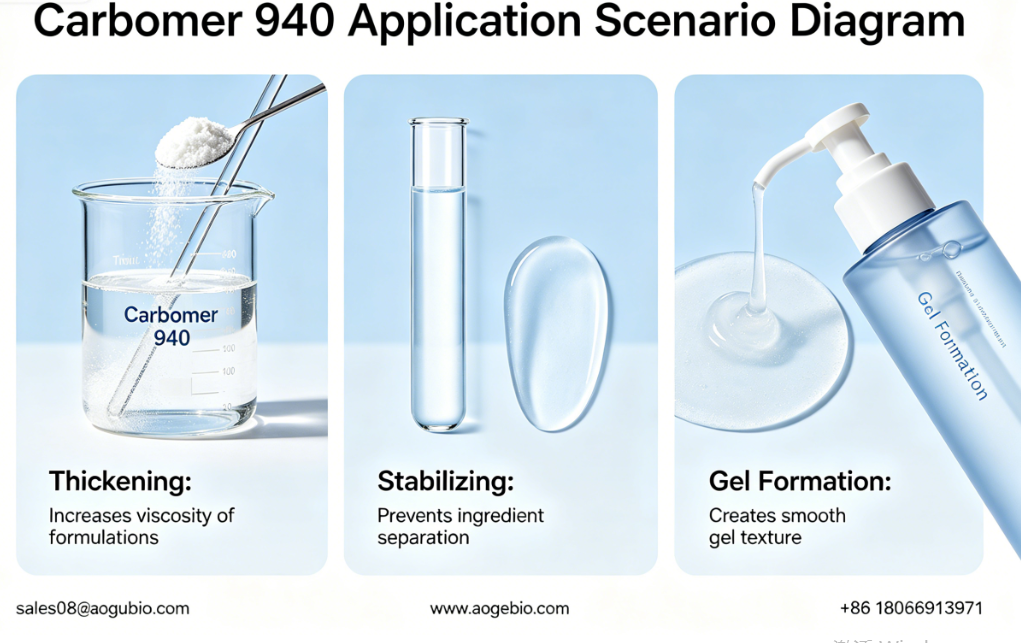
| What Is SepiMax Zen, and How Does It Work? At its core, Sepimax Zenis a pre-neutralized, cross-linked acrylic polymer designed specifically for personal care applications. Unlike traditional thickeners (such as carbomers or Xanthan Gum), it offers a unique combination of thickening, stabilizing, and texturizing properties—all in a single ingredient. | 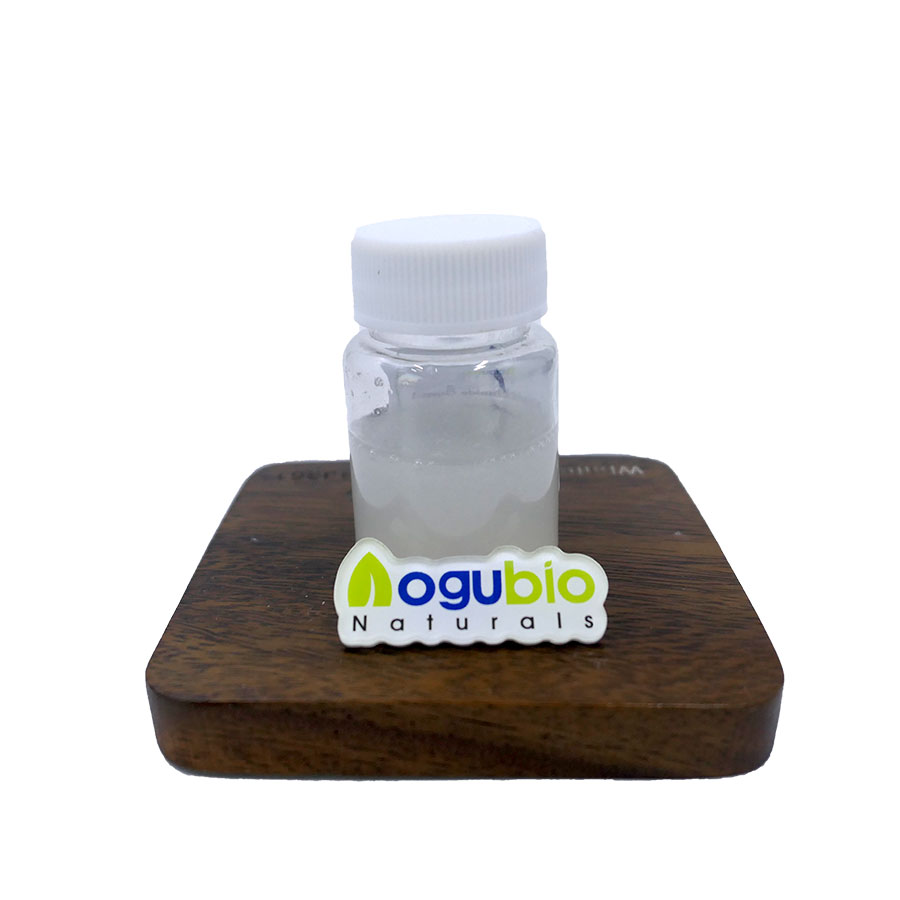 |
The science behind its performance lies in its molecular structure: cross-linked polymer chains form a 3D network that traps water molecules, creating transparent, smooth gels with a velvety finish. A 2022 technical study by SEPPIC (published in the Journal of Cosmetic Science) confirmed that Sepimax Zen maintains consistent viscosity even when exposed to high electrolyte concentrations—up to 10% salt content. This “electrolyte resistance” is a game-changer, as it allows formulators to pair it with active ingredients like AHAs, vitamin C, or zinc pyrithione (common in anti-aging and anti-dandruff products) without compromising texture or stability.
Another key advantage? It works seamlessly in both cold and hot manufacturing processes (temperatures ranging from 20°C to 80°C) and functions across a pH range of 2–8. This flexibility means it can be used in everything from acidic exfoliating serums (pH 3–4) to gentle facial cleansers (pH 5.5–6.5)—a versatility rarely seen in other polymers.
Common Questions About Sepimax Zen (Answered with Data)
- Is Sepimax Zen Safe for Sensitive Skin and Intimate Care Products?
Yes—safety is a core strength of Sepimax Zen. SEPPIC’s 2023 safety assessment (conducted in compliance with EU Regulation EC 1223/2009) found no evidence of skin irritation or sensitization in patch tests involving 500 participants. Additionally, the ingredient has been tested for vaginal tolerance, with a 2021 study in Gynecological Health and Care confirming it meets the strict safety standards for intimate hygiene products (such as washes and moisturizers).
- Can Sepimax Zen Support Sustainable Cosmetic Formulations?
Sustainability is a top priority for 78% of beauty consumers (per a 2023 report by Mintel), and Sepimax Zen delivers here too. It is classified as a non-microplastic polymer under EU Regulation 2023/2055—a critical distinction, as microplastics are increasingly banned in cosmetic products worldwide. SEPPIC’s lifecycle analysis (LCA) also shows that Sepimax Zen requires 30% less energy to produce than traditional carbomers, and its biodegradability rate exceeds 60% within 28 days (tested to OECD 301B standards).
- What Concentrations of Sepimax Zen Should Be Used in Cosmetics?
Most formulations use Sepimax Zen at concentrations of 0.5% to 5%, depending on the desired texture. For example:
0.5–1%: Creates lightweight serums or sprayable toners (e.g., SEPPIC’s “Hydra-Spray Serum” formulation).
2–3%: Produces creamy lotions or gel moisturizers.
4–5%: Forms thick jelly masks or hair styling gels.
A 2024 case study by a leading Korean beauty brand (published in Cosmetics Business) found that using 2.5% Sepimax Zen in a vitamin C serum improved stability by 40% compared to formulations using carbomers.
Market Trends: Why Sepimax Zen Is Poised for Growth
The global cosmetic polymers market is expected to reach $8.2 billion by 2028 (per Grand View Research), and Sepimax Zen is well-positioned to capture a significant share of this growth. Three key trends are driving its adoption:
- Demand for Multifunctional Ingredients
Brands are increasingly seeking ingredients that reduce formulation complexity and costs. Sepimax Zen replaces 2–3 traditional ingredients (e.g., thickener + stabilizer + texturizer), cutting production time by up to 25% (per SEPPIC’s 2023 customer survey).
- Global Regulatory Compliance
With varying beauty regulations across regions, compliance is a major challenge. Sepimax Zen is approved for use in all major markets: it is listed in China’s IECIC 2021 database, compliant with FDA guidelines for the U.S., and meets EU’s CosIng standards. This global approval simplifies international product launches for brands.
- Rise of “Sensory Beauty”
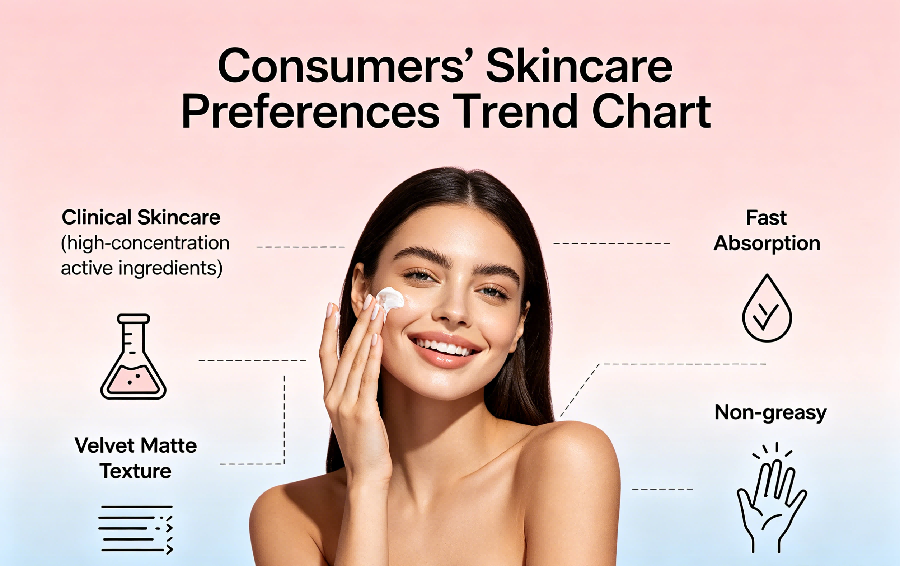
Consumers now prioritize how products feel on the skin—83% of shoppers say texture influences their purchase decisions (Mintel 2023). Sepimax Zen’s velvety, non-sticky finish aligns with this trend: it is used in luxury skincare lines (such as La Roche-Posay’s “Effaclar Gel” and Shiseido’s “Ultimune Serum”) to deliver a premium sensory experience.
Real-World Applications of Sepimax Zen
Sepimax Zen’s versatility makes it a staple across cosmetic categories:
- Skincare: Found in anti-aging serums (stabilizes retinol), exfoliating gels (tolerates AHAs), and sleeping masks (maintains texture overnight).
- Sun Care: Stabilizes high-SPF formulations (up to SPF 50+) without creating a white cast—used in La Roche-Posay’s “Anthelios Clear Skin SPF 60”.
- Hair Care: Enhances foam in shampoos and prevents salt buildup in beach hair products.
- Hygiene: Featured in hand sanitizers and intimate washes for its gentle, non-irritating texture.
Conclusion
Sepimax Zen is more than just a cosmetic thickener—it’s a formulation solution that addresses the biggest challenges facing beauty brands today: performance, sustainability, and compliance. Backed by rigorous scientific studies, global regulatory approval, and alignment with key market trends, it’s no wonder that 65% of top cosmetic formulators (per a 2024 SEPPIC survey) consider Sepimax Zen a “critical ingredient” for their product lines. Whether you’re developing a lightweight serum, a high-SPF sunscreen, or a sustainable intimate care product, Sepimax Zen delivers the consistency, safety, and sensory appeal that modern consumers demand.
- Amily
- E-mail:sales09@aogubio.com
- Whatsapp:+86 1816180563