
N-Acetyl Cysteine In Skin Care: The Antioxidant Powerhouse You Need To Know
What Exactly Is N-Acetyl Cysteine?
First, let’s keep it simple: NAC is a biologically active form of cysteine, an amino acid your body uses to build proteins and support cellular health. You might find cysteine naturally in foods like poultry, dairy, and red peppers, but NAC is its more stable, easily absorbed cousin. While it’s long been used as a prescription drug to thin mucus in chronic lung conditions or support liver function in early liver failure, skincare researchers have uncovered its impressive benefits for skin when applied topically.
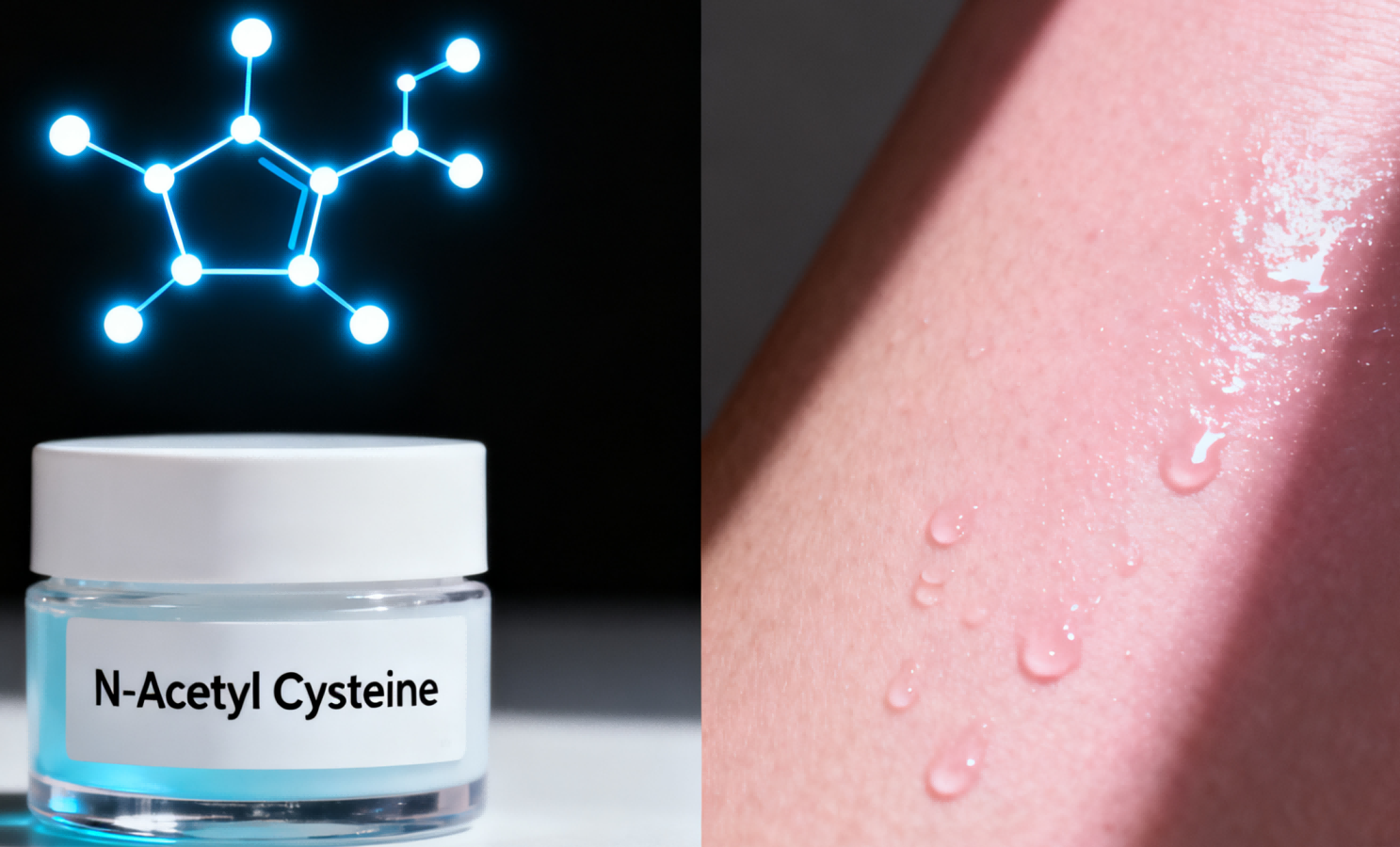
The key to NAC’s skincare superpowers lies in its molecular structure—specifically, a sulfur-containing group called a thiol. This group lets NAC neutralize harmful molecules called free radicals, boost the skin’s own defense systems, and even target stubborn pigmentation issues.
The Science-Backed Benefits of NAC for Skin
NAC isn’t just a trendy add-on; its benefits are rooted in clinical research and lab studies. Here’s what the science says it can do for your skin:
- Antioxidant Protection That Defends Against Aging
Free radicals from UV rays, pollution, and stress damage skin cells, leading to fine lines, wrinkles, and dullness. NAC fights back by acting as a "free radical scavenger"—and it doesn’t work alone. It helps replenish glutathione, the skin’s most powerful internal antioxidant, creating a double layer of protection.
A 2020 study published in a dermatological research journal explored NAC’s role in protecting skin from UV-induced damage. Researchers found that NAC could safely reduce oxidative stress in skin cells exposed to UV radiation, potentially lowering long-term aging and even skin cancer risk. This makes NAC a must-have for anyone spending time outdoors, even on cloudy days.
- Brightening and Pigmentation Control
Uneven skin tone and dark spots are top skincare complaints—and NAC offers a gentle solution. Unlike harsh bleaching agents, NAC works by two key mechanisms: it inhibits tyrosine enzyme,the enzyme that kickstarts melanin production, and helps break down existing melanin deposits in the skin.
Lab tests confirm these effects: formulations containing NAC reduced visible pigmentation by slowing melanin synthesis without irritating skin cells. Unlike some brighteners that cause dryness, NAC maintains skin’s moisture barrier, making it suitable for sensitive skin too.
- Anti-Inflammatory and Soothing Effects
Redness, irritation, and acne flare-ups often stem from inflammation. NAC calms these issues by regulating the skin’s inflammatory response, making it ideal for acne-prone, rosacea-prone, or post-procedure skin. It even supports wound healing by encouraging healthy cell regeneration, helping to fade acne scars over time.
- Hydration and Elasticity Boost
Dry, sagging skin lacks two key components: moisture and collagen. NAC addresses both by drawing in hydration and stimulating collagen production. Studies show that NAC supports the formation of collagen fibers, which keep skin plump and firm, while its amino acid structure helps lock in moisture for long-lasting hydration.
Why NAC Stands Out: Key Product Advantages
With so many skincare ingredients on the market, what makes NAC unique? These advantages set it apart:
- Multi-Tasking Power: Unlike ingredients that only target one issue (e.g., vitamin C for brightening, hyaluronic acid for hydration), NAC handles antioxidant protection, brightening, soothing, and hydration in one. This simplifies your routine without sacrificing results.
- Gentle Yet Effective: Medical research confirms NAC’s safety for most skin types, including sensitive skin. Unlike harsh exfoliants or peroxides, it rarely causes irritation when used at recommended concentrations (0.5–5.0%).
- Stable Formulation: NAC maintains its effectiveness in various skincare products, from serums to creams, without breaking down quickly (a common issue with ingredients like vitamin C).
- Synergistic with Other Ingredients: NAC works better when paired with ingredients like vitamin C, hyaluronic acid, or niacinamide. For example, combining NAC with vitamin C doubles down on brightening and antioxidant protection.
How NAC Is Used in Cosmetics
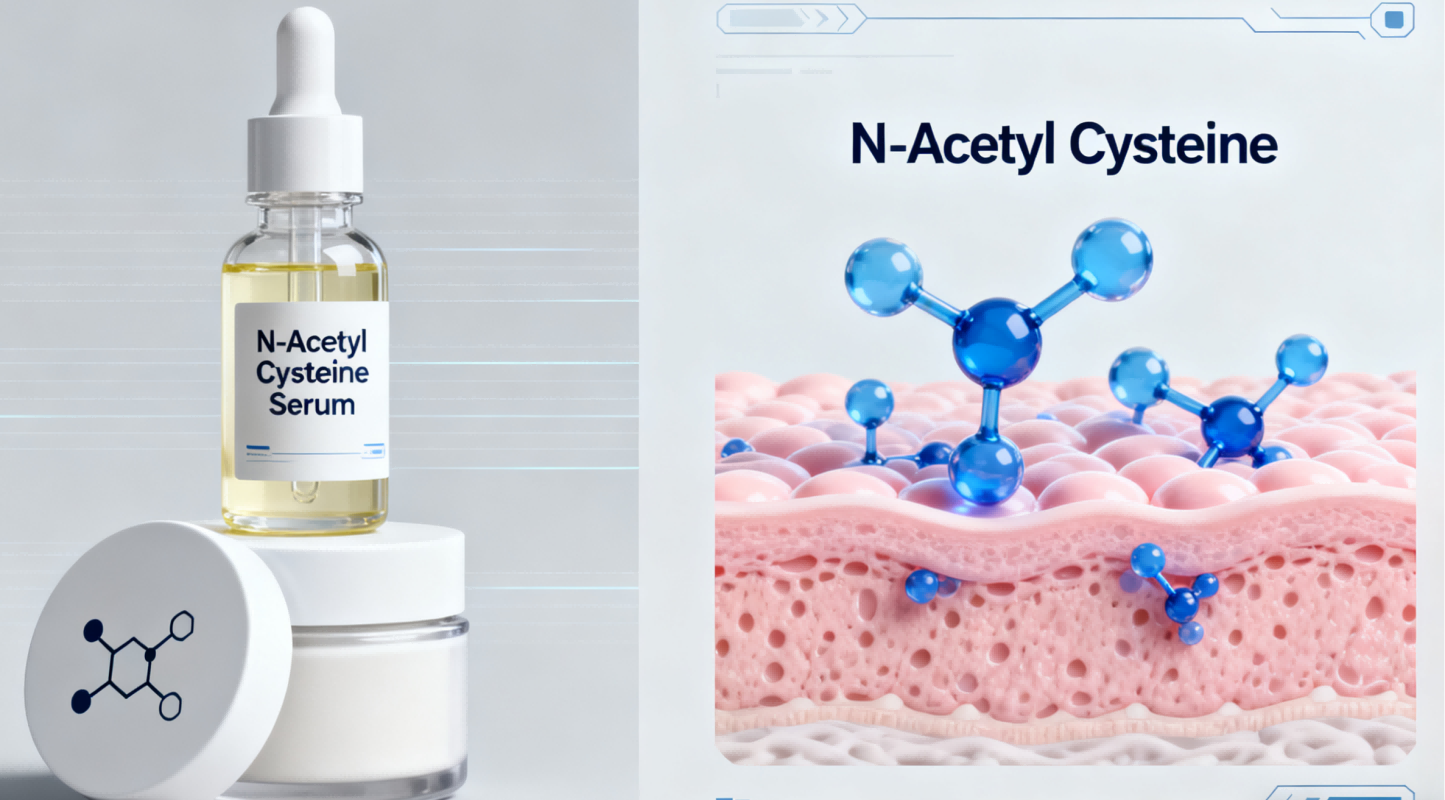
You’ll find NAC in a wide range of skincare products, thanks to its versatility. Here are the most common applications:
- Serums: Lightweight serum formulations let NAC penetrate deep into the skin, making them ideal for targeting pigmentation and aging. Look for serums with 1–3% NAC for daily use.
- Moisturizers & Creams: Cream-based products combine NAC with emollients to lock in hydration while delivering antioxidant benefits. These are perfect for dry or mature skin.
- Masks: Weekly NAC masks provide an intensive boost, brightening dull skin and calming inflammation after a long week of environmental exposure.
- Eye Care Products: NAC’s gentle brightening properties make it suitable for eye creams, targeting dark circles and fine lines around the delicate eye area.
Leading skincare brands often pair NAC with acetyl glucosamine (a hydrating sugar derivative) to enhance its brightening effects, or with ceramides to strengthen the skin barrier. When shopping, check ingredient lists for "Acetyl Cysteine" near the top—this means the concentration is high enough to be effective.
Important Considerations for Safe Use
While NAC is generally safe, a few tips will help you get the best results:
- Patch Test First: Even gentle ingredients can cause reactions in sensitive skin. Apply a small amount of product to your inner arm and wait 24 hours before full-face use.
- Follow Concentration Guidelines: Stick to products with 0.5–5.0% NAC. Higher concentrations aren’t necessarily better and may cause mild irritation.
- Pair with Sunscreen: NAC boosts UV protection, but it isn’t a replacement for SPF. Always wear sunscreen during the day to prevent new pigmentation.
The Bottom Line
N-Acetyl Cysteine isn’t just a medical ingredient repurposed for skincare—it’s a science-backed powerhouse that addresses multiple skin concerns at once. From fighting free radicals to brightening dark spots, its benefits are hard to beat, especially for those seeking gentle yet effective solutions.
As more research emerges (like the 2020 study on UV protection), NAC is poised to become a staple in skincare routines worldwide. Whether you’re dealing with dullness, pigmentation, or sensitivity, a NAC-containing product could be the missing piece in your routine.
Ready to try it? Look for serums or creams with "Acetyl Cysteine" on the label, and pair it with your favorite sunscreen for glowing, healthy skin—backed by science.
- Name: Yuki
- E-mail: sales02@nahanutri.com
- WhatsApp:+8618066950297